Newsom Challenges Trump Over California Water Policies
California's ongoing water crisis has become a battleground for political rivalry, with Governor Gavin Newsom directly challenging former President Donald Trump over water management policies. Newsom criticizes Trump's policies for prioritizing agricultural interests over environmental protections, exacerbating drought challenges affecting 90% of the state. He advocates for sustainable management, federal support, and infrastructure investments amid debates on state versus federal authority.
By Lila Odanev on January 28, 2026
Newsom Challenges Trump Over California Water Policies
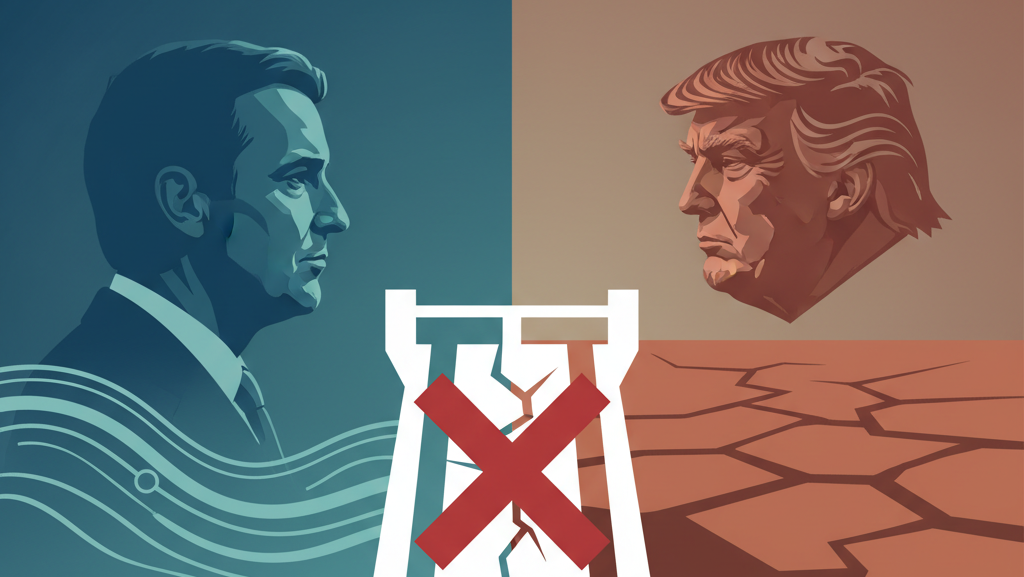
California's ongoing water crisis has become a battleground for political rivalry, with Governor Gavin Newsom directly challenging former President Donald Trump over water management policies. Amid droughts and mounting pressure on water resources, Newsom has taken a firm stance against Trump's policies, arguing that they exacerbate the challenges faced by the state.
Key Takeaways
- Gavin Newsom criticizes Trump's water policies for undermining California's drought response efforts.
- The former president's administration prioritized agricultural interests over environmental protections, impacting water availability.
- Newsom emphasizes the need for sustainable water management to combat ongoing drought conditions.
- California's water crisis has reached alarming levels, with 90% of the state experiencing severe drought.
- Newsom advocates for federal support to address California's water infrastructure needs.
- The feud underscores a broader debate about water rights, environmental impact, and state versus federal authority.
- Local communities are feeling the effects, with many facing water shortages and increasing costs.
The Clash Over Water Management
California's water management landscape is complex, shaped by a myriad of factors including climate change, agricultural demands, and political agendas. Newsom's administration has been vocal about the detrimental effects of Trump's policies, which they argue prioritize short-term agricultural gains over long-term sustainability. The former president's administration rolled back critical environmental regulations, which many believe has led to increased water scarcity.
In a recent statement, Newsom declared, "We cannot afford to sacrifice our water resources for political gain. Our state’s future depends on a collaborative and sustainable approach to water management." This sentiment resonates deeply with Californians who have endured years of drought and water restrictions.
The Impact of Drought on California
The dire situation in California cannot be overstated. Recent reports indicate that approximately 90% of the state is experiencing severe drought conditions. Agricultural sectors, which rely heavily on water, are increasingly feeling the pinch, leading to concerns about food security and economic stability.
Newsom's administration has proposed an array of measures aimed at addressing these challenges, including investments in water recycling, infrastructure upgrades, and innovative conservation techniques. These initiatives are designed not only to alleviate current pressures but to build resilience against future droughts.
Advocating for Federal Support
One of Newsom's main arguments against Trump centers on the need for federal assistance in managing California's water resources. Local leaders consistently emphasize that federal funding is crucial for enhancing water infrastructure, particularly in under-resourced communities that struggle with access to clean water.
“The federal government has a responsibility to support states like California in addressing these pressing challenges,” Newsom stated during a recent press conference. His call for action highlights a growing frustration among state officials who feel that the federal government has not adequately addressed their needs in the face of a worsening crisis.
The Broader Debate: State vs. Federal Authority
The feud between Newsom and Trump is emblematic of a larger struggle over water rights and environmental policy in the United States. California has long prided itself on progressive environmental policies, but these often clash with federal directives that prioritize agricultural interests.
This tension raises crucial questions about the balance of power between state and federal governments. As climate change exacerbates water shortages, the need for cohesive and effective water policies becomes increasingly vital. Newsom’s insistence on sustainable management and environmental protections may serve as a blueprint for how states can assert their rights against federal policies perceived as harmful.
Local Communities Bear the Brunt
While political leaders spar over policy, it is the local communities that suffer the most from these disputes. Many Californians are grappling with water shortages, skyrocketing costs, and deteriorating infrastructure. Rural areas, often the hardest hit, face unique challenges in accessing reliable water supplies.
The narrative surrounding water in California is not just one of policy; it's a story of real people facing daily struggles. Local activists have rallied for more equitable water distribution, emphasizing the need to prioritize marginalized communities that often lack a voice in these discussions.
Conclusion
The ongoing clash between Gavin Newsom and Donald Trump over California's water policies highlights the complexities of managing this precious resource in an era of climate change. As drought conditions worsen and communities face increasing challenges, the need for sustainable and equitable water management has never been more pressing. The outcome of this political battle could shape California's water future for generations to come, making it essential for leaders to prioritize collaboration over conflict. The stakes are high, and the time for action is now.




![Shutdown Threat Looms as Senate Parties Clash on Funding[1]](https://cdn.sanity.io/images/bq22ycy9/production/7794700be8b36f35d60c505a071b8764a032843d-1024x1024.png?rect=0,212,1024,601&w=288&h=169&fit=max&auto=format)