Elon Musk's Growing Influence on GOP Senate Races
Elon Musk is emerging as a significant player in Republican Senate races, using his endorsements, social media presence, and libertarian ideals to shape candidate platforms and mobilize support, while posing both opportunities and risks for GOP contenders.
By Moran Sapir on January 28, 2026
Elon Musk's Growing Influence on GOP Senate Races
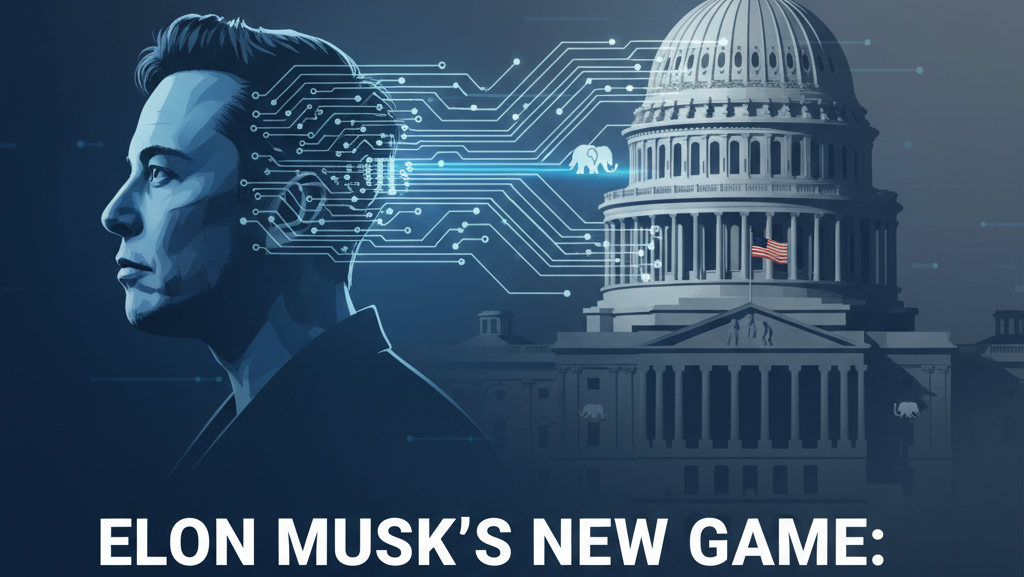
Elon Musk, the billionaire entrepreneur known for his ventures in electric vehicles and space travel, is emerging as a significant player in the landscape of Republican Senate races. His unique blend of charisma, media savvy, and controversial opinions is reshaping how candidates position themselves and their platforms. As the GOP looks to build momentum heading into future elections, Musk's influence could prove pivotal.
Key takeaways
- Elon Musk actively supports candidates aligned with libertarian values and pro-business policies.
- His social media presence allows him to shape narratives around GOP Senate contenders in real time.
- Candidates are increasingly seeking Musk's endorsement to draw attention and funding.
- Musk's controversial statements can sway public opinion, impacting candidate favorability.
- GOP candidates leverage Musk’s influence to energize grassroots support and mobilize donors.
- The billionaire's interests often align with tech and energy sectors, driving candidate platforms.
- Musk's influence poses both opportunities and risks for GOP candidates navigating a polarized electorate.
Musk's Endorsements and Candidate Dynamics
Musk has made headlines for engaging with and endorsing candidates who resonate with his libertarian ideals. He has praised figures such as Representative Thomas Massie, suggesting that he favors candidates who challenge the status quo, especially those willing to advocate for smaller government and reduced regulation. This endorsement pattern indicates that Musk is not simply a passive observer; he is actively trying to steer the Republican Party's direction, particularly in Senate races.
In this context, candidates are finding themselves in a delicate balancing act. They must appeal to Musk's libertarian leanings while also addressing the broader concerns of traditional Republican voters. The stakes are high, as gaining Musk’s endorsement could mean a surge in visibility and potential funding. Candidates are thus increasingly tailoring their messages to align with Musk's views, whether on climate policy or economic innovation.
Social Media: A Double-Edged Sword
Musk's social media presence, particularly on platforms like Twitter, allows him to quickly influence public discourse. A single tweet from him can amplify a candidate's message or derail their campaign with a controversial remark. For instance, when Musk publicly supported a Senate candidate, the immediate boost in their social media engagement was palpable, leading to increased donations and grassroots activism.
However, this influence is a double-edged sword. Musk’s penchant for impulsive tweets can create chaos. A candidate may bask in the glow of Musk’s approval one day and face backlash from a critical tweet the next. This unpredictability forces candidates to tread carefully, ensuring they align with Musk's views without compromising their own stances.
Mobilizing Grassroots Support
Musk's influence extends beyond endorsements; his persona energizes grassroots movements within the GOP. Candidates tap into his appeal to galvanize supporters, often leveraging his vision for innovation and progress. This strategy is particularly effective among younger voters, who may feel disenchanted with traditional political figures.
During recent Senate races, candidates have organized rallies and events highlighting their connections to Musk, aiming to attract his fanbase. This tactic has proven successful in mobilizing volunteers and small-dollar donors who resonate with Musk’s brand of disruptive politics. In a party that often grapples with energizing its base, Musk's allure provides a fresh avenue for engagement.
The Risks of Alignment
While aligning with Musk can yield significant benefits, it also comes with inherent risks. His controversial opinions can polarize public sentiment, and candidates who too closely associate with him may alienate moderate voters. As the GOP navigates a landscape rife with division, candidates must weigh the advantages of Musk's backing against the potential backlash from more centrist constituents.
Moreover, as Musk's influence grows, so does the scrutiny of his actions and statements. Candidates must remain vigilant, ready to distance themselves from any fallout associated with Musk’s more contentious positions. This balancing act underscores the complexities of navigating modern politics in an era where a single tweet can alter the trajectory of a campaign.
Conclusion
Elon Musk's growing influence in GOP Senate races signals a shift in how candidates approach their campaigns and voter engagement. As he continues to wield significant power in shaping political narratives, candidates are tasked with adapting to this new reality. The interplay between Musk's endorsements, social media presence, and controversial opinions creates both opportunities and challenges for the GOP. Candidates who navigate this landscape thoughtfully may find themselves at the forefront of a new political era, while those who misstep could face the consequences of aligning too closely with a figure as unpredictable as Musk. In the end, the question remains: how will the GOP harness this influence, and at what cost?



![Shutdown Threat Looms as Senate Parties Clash on Funding[1]](https://cdn.sanity.io/images/bq22ycy9/production/7794700be8b36f35d60c505a071b8764a032843d-1024x1024.png?rect=0,212,1024,601&w=288&h=169&fit=max&auto=format)