Protests Erupt Over ICE Shootings in Minneapolis
Thousands protested in Minneapolis over ICE shootings that killed one and injured another, sparking demands for justice, accountability, and immigration policy reform amid a national debate on enforcement practices.
By Lila Odanev on January 28, 2026
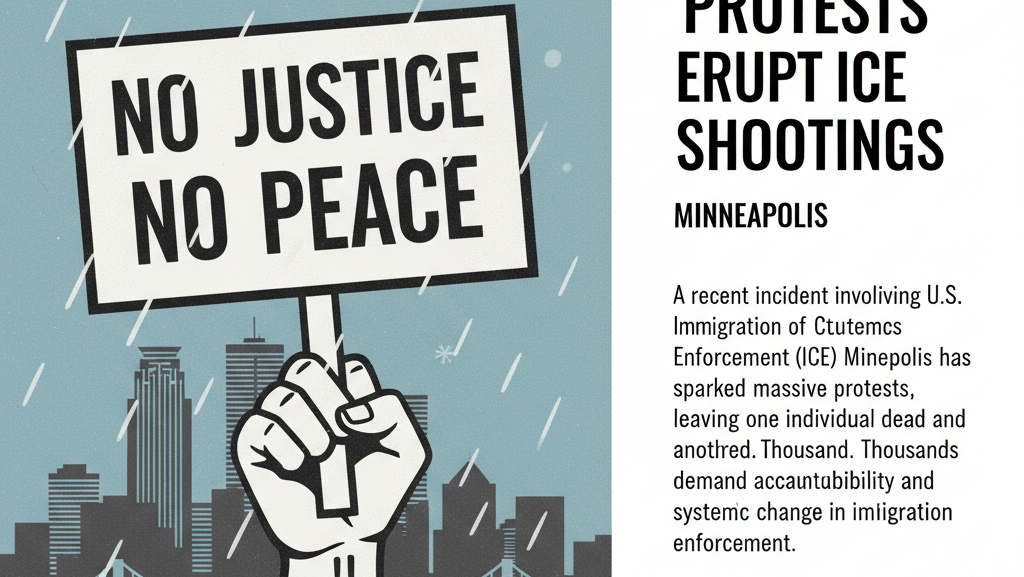
Protests Erupt Over ICE Shootings in Minneapolis
On a chilly afternoon in downtown Minneapolis, thousands took to the streets in an outpouring of anger and grief. The catalyst for this massive protest? A recent incident involving U.S. Immigration and Customs Enforcement (ICE) agents that left one individual dead and another injured. As the community grapples with the implications of these actions, the rallying cries for justice and accountability resonate loudly.
Key Takeaways
- Thousands of protesters gathered in Minneapolis to voice outrage over ICE shootings.
- The incident involved a shootout that resulted in one death and injuries to another.
- Community leaders demand accountability and transparency from law enforcement.
- Activists argue that ICE actions disproportionately target marginalized communities.
- Calls for reform in immigration policy gained momentum during the protests.
- Prominent figures, including former politicians, have weighed in on the need for systemic change.
- The protests reflect a broader national conversation about immigration enforcement practices.
The Incident that Sparked Outrage
The situation unfolded when ICE agents attempted to apprehend a suspect in a neighborhood known for its vibrant immigrant community. Eyewitness accounts detail a scene of chaos as gunfire erupted, resulting in the death of a 28-year-old man and injuries to another individual. Witnesses described the sound of gunfire echoing through the streets, a stark contrast to the usual hustle and bustle of the area. This tragic event has not only devastated families but has also ignited a fierce debate about the role of ICE in communities across the nation.
Community Response
In the aftermath, the community response was immediate and passionate. Organizers quickly mobilized, planning a rally to demand justice and accountability. Signs reading "No Justice, No Peace" and "Stop the Raids" filled the streets, emphasizing the urgent need for change. Speakers at the rally included local activists and community leaders who highlighted the fear and trauma caused by ICE operations. They called for a reevaluation of immigration enforcement practices, arguing that these incidents disproportionately affect marginalized communities.
Prominent figures from across the political spectrum have joined the chorus of voices calling for reform. Former President Barack Obama and former Secretary of State Hillary Clinton both issued statements urging unity and accountability in the wake of the shootings. Their involvement underscores the visibility of this issue and highlights the need for systemic change to address the underlying problems.
The Broader Implications
This incident in Minneapolis is not an isolated event; it reflects a growing trend of scrutiny over ICE's methods and the broader implications of immigration enforcement in America. Critics argue that aggressive policing tactics alienate immigrant communities, fostering a culture of fear. Many protesters voiced their concerns about how these actions impact families, particularly in communities of color where trust in law enforcement has already eroded.
The protests also serve as a reminder of the necessity for reform in immigration policy. Activists are pushing for comprehensive changes that prioritize human rights and dignity over punitive measures. Calls for abolishing ICE have gained traction, with proponents arguing that its existence perpetuates a cycle of violence and fear.
The Path Forward
As the protests continue, the question remains: what comes next? Activists urge community members to remain engaged beyond the rallies, advocating for policy changes that address the root causes of these tragedies. Organizing efforts are underway to push for legislative reforms at both the local and national levels.
The Minneapolis protests are a microcosm of a larger movement advocating for immigrant rights and justice. This moment serves as a wake-up call for many, a reminder that the fight for justice is ongoing and requires sustained effort. Community leaders are calling for increased awareness and action to ensure that tragedies like this do not become the norm.
Conclusion
The protests in Minneapolis are more than just a response to a tragic incident; they represent a pivotal moment in the fight for justice and accountability in immigration enforcement. As communities rally together, they not only honor the memory of those affected but also forge a path toward meaningful change. The road ahead will be challenging, but with continued activism and advocacy, there is hope for a more just and equitable future.

![Shutdown Threat Looms as Senate Parties Clash on Funding[1]](https://cdn.sanity.io/images/bq22ycy9/production/7794700be8b36f35d60c505a071b8764a032843d-1024x1024.png?rect=0,212,1024,601&w=288&h=169&fit=max&auto=format)