
Maine Governor Janet Mills Stands Firm Against ICE Enforcement Tactics
Governor Janet Mills of Maine firmly opposes U.S. Immigration and Customs Enforcement (ICE)'s aggressive tactics, prioritizing community trust and immigrant rights over federal enforcement. Her policies limit local law enforcement's involvement in immigration matters, highlight immigrants' vital economic contributions amid labor shortages, and reflect a national trend of states resisting federal crackdowns, sparking both support for inclusion and criticism over public safety.
By Lila Odanev on January 28, 2026
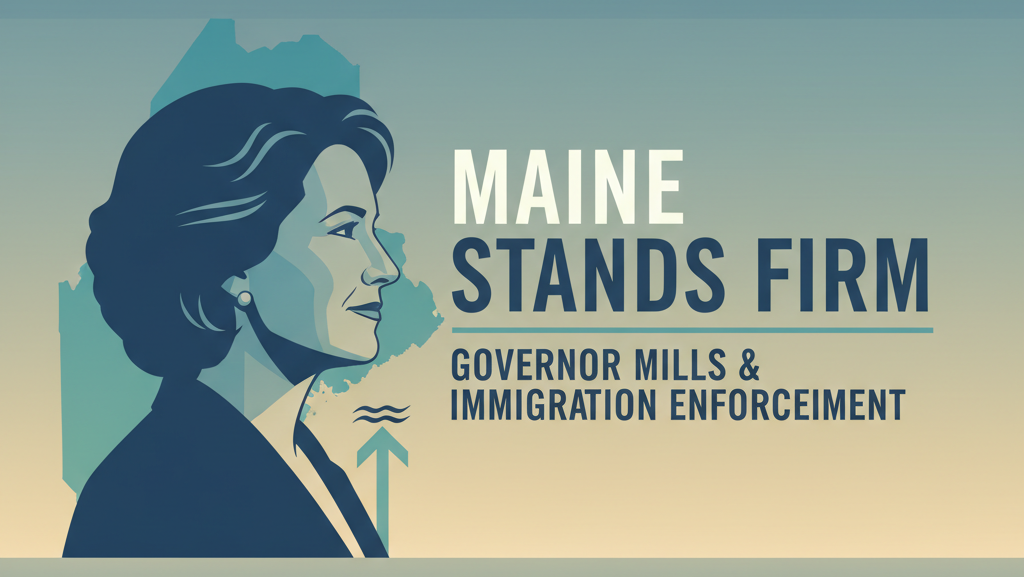
Maine Governor Mills Stands Firm Amid ICE Enforcement
As the political landscape shifts, few issues are as contentious as immigration enforcement. In Maine, Governor Janet Mills has taken a bold stance against the aggressive tactics of U.S. Immigration and Customs Enforcement (ICE). Her commitment to ensuring that Maine remains a welcoming state for all residents, regardless of their immigration status, has sparked both support and criticism.
Key Takeaways
- Governor Mills opposes ICE's aggressive enforcement tactics in Maine, emphasizing the need for community safety and trust.
- Mills advocates for protecting the rights of immigrants and refugees, aiming to foster an inclusive environment.
- The governor's administration has implemented policies that limit local law enforcement's involvement with federal immigration enforcement.
- Supporters argue that Mills' policies enhance community cohesion, while critics claim they undermine public safety.
- Maine's immigrant population is vital to the state's economy, contributing significantly to various sectors.
- Mills emphasizes that immigrants are essential to Maine's future, particularly in addressing labor shortages.
- The governor's stance reflects a broader trend of states resisting federal immigration crackdowns.
Governor Mills' Commitment to Immigrant Rights
Governor Mills has consistently voiced her opposition to ICE's aggressive tactics. She argues that such measures create fear within communities, which undermines public safety. “When immigrants live in fear of being targeted, they are less likely to report crimes or cooperate with law enforcement,” Mills stated in a recent press conference. This perspective is at the heart of her administration's policies, which prioritize community trust over federal enforcement.
Mills' administration has taken concrete steps to limit local law enforcement's role in immigration matters. For instance, Maine law prohibits local police from inquiring about an individual’s immigration status unless required by a criminal investigation. This policy aims to ensure that all residents feel safe and supported, regardless of their background.
The Economic Argument for Inclusion
Maine faces a unique challenge: an aging population and a declining workforce. Immigrants play a crucial role in addressing these issues, filling gaps in labor markets across various sectors, including healthcare, agriculture, and hospitality. According to a 2022 report, immigrants made up nearly 7% of Maine's workforce, contributing significantly to the state's economy.
In her speeches, Mills has highlighted the importance of immigrants in revitalizing Maine's communities. “Our immigrant neighbors are not just part of our economy; they are part of our culture, our families, and our future,” she remarked. This emphasis on the economic contributions of immigrants strengthens her argument against punitive immigration policies.
Community Reactions: Support and Criticism
Governor Mills' stance has garnered mixed responses from the public. Many community leaders and immigrant advocates applaud her for standing up against ICE’s tactics. They believe her policies create a safer and more inclusive environment. Local organizations have rallied around her, emphasizing the positive impact of immigrants on community dynamics.
Conversely, critics argue that Mills’ approach could compromise public safety. Some law enforcement officials express concerns that not cooperating with federal immigration authorities might hinder efforts to combat crime. They argue that a lack of collaboration could lead to a less secure environment for all residents.
Despite the pushback, Mills remains resolute. Her administration argues that true safety comes from building trust in communities, not from fear-based tactics that alienate immigrant populations.
A National Perspective
Maine’s situation is not unique; it reflects a broader national trend where states are pushing back against federal immigration enforcement. Several governors across the country have adopted similar policies, emphasizing the need for local jurisdictions to prioritize community safety over compliance with federal mandates. This trend indicates a growing recognition that immigration is a multifaceted issue requiring nuanced approaches.
Mills’ efforts highlight a critical conversation about the role of state governance in the immigration debate. As more states adopt policies that resist federal overreach, the conversation will inevitably evolve, shaping the future of immigration policy in the U.S.
Conclusion
Governor Janet Mills stands as a prominent figure in the fight for immigrant rights in Maine. Her unwavering commitment to creating a welcoming atmosphere for all residents, paired with a pragmatic approach to public safety, challenges the status quo of immigration enforcement. As the debate continues, her actions may inspire other states to reconsider their immigration policies and prioritize community trust and inclusion. For Maine, the path forward hinges on embracing diversity and recognizing the invaluable contributions of its immigrant population.



![Shutdown Threat Looms as Senate Parties Clash on Funding[1]](https://cdn.sanity.io/images/bq22ycy9/production/7794700be8b36f35d60c505a071b8764a032843d-1024x1024.png?rect=0,212,1024,601&w=288&h=169&fit=max&auto=format)